The Lilongwe Water Board (LWB) says the construction of Water Treatment Plant No. 3 marks a major step toward ending persistent water supply challenges in the capital, with the facility expected to be completed by December this year.
The new treatment plant, which has a production capacity of 50,000 cubic metres of water per day, will significantly boost the Board’s output and move it closer to its target of producing 175,000 cubic metres daily.
Currently, LWB produces an average of 115,000 cubic metres of water per day against a daily demand of 157,000 cubic metres, leaving a deficit of about 42,000 cubic metres.
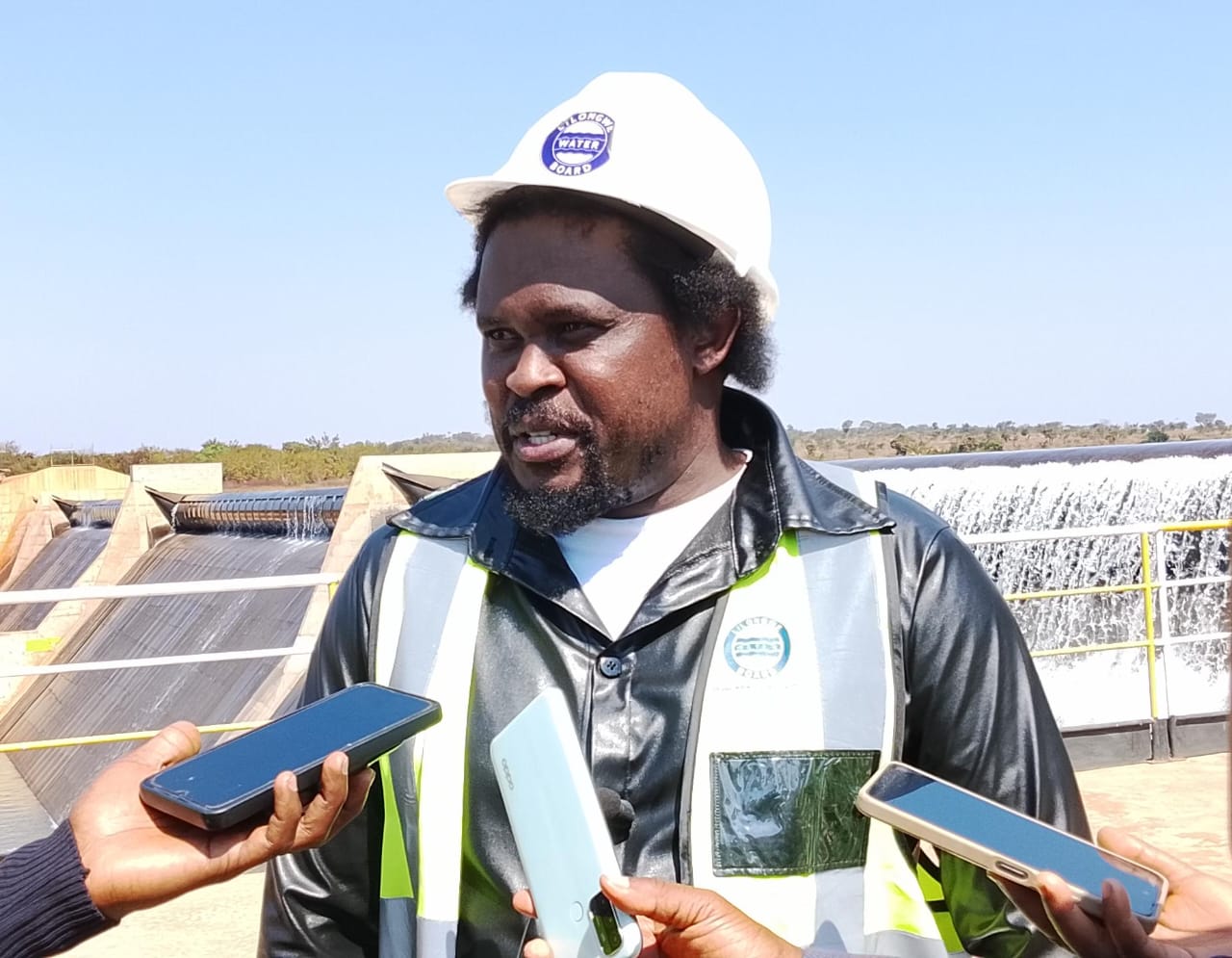
Speaking during a media tour of Kamuzu Dams I and II and the construction site of Water Treatment Plant No. 3 on Thursday, LWB Board Chairperson Prophet Dr. David Mbewe said the supply gap is largely driven by limited production capacity, human activities along the Lilongwe River, sand mining, and frequent electricity interruptions.
Despite the current challenges, Mbewe assured residents that the city has sufficient water reserves to withstand the upcoming El Niño season, saying Kamuzu Dam I alone can sustain Lilongwe’s water needs for up to eight months.
“We are well covered as the Lilongwe Water Board, and our customers should be assured that we have enough water. As things stand, we are safe and ready to face the situation ahead,” he said.
LWB Chief Executive Officer, Engineer Dan Chaweza, said the completion of Water Treatment Plant No. 3, which is now about 80 percent complete, is expected to eliminate the current supply deficit by the end of the year.
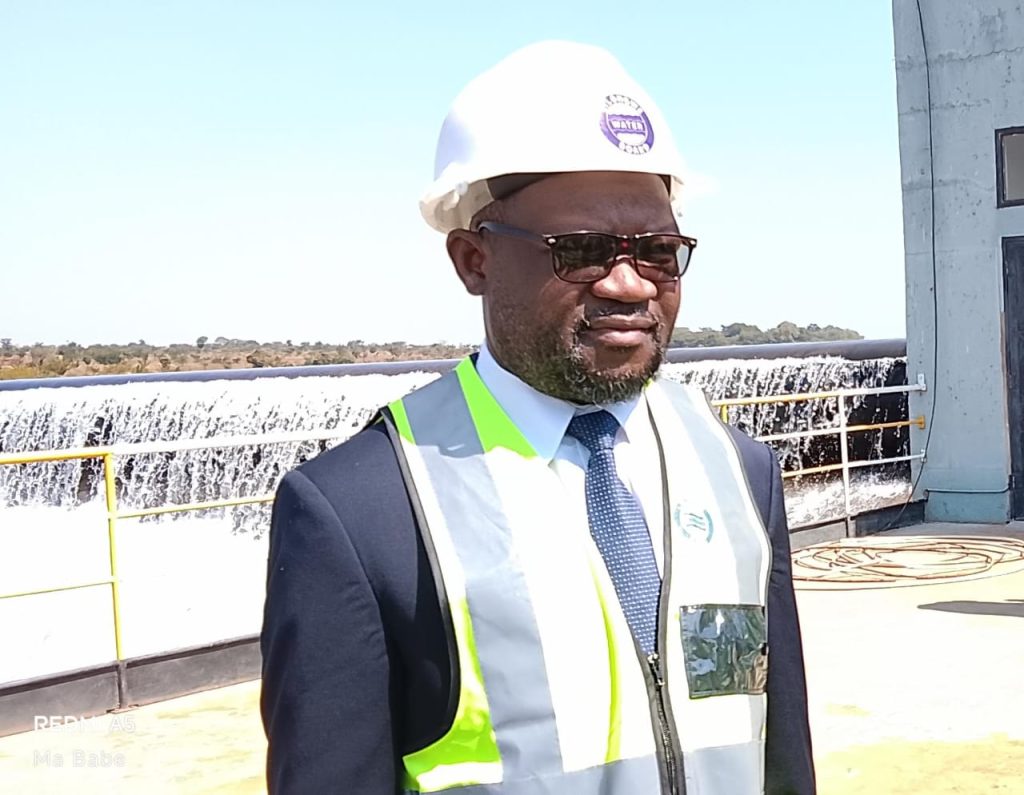
“We are working day and night to eliminate supply challenges so customers can enjoy reliable water service.
Our goal is to ensure customers receive a dependable 24-hour water supply,” said Chaweza.
He, however, expressed concern over destructive human activities in the Malingunde Catchment Area, the Board’s primary source of raw water.
According to Chaweza, activities such as environmental degradation and siltation continue to obstruct the flow of the Lilongwe River, reducing water production efficiency.
To protect the catchment area, LWB is working closely with traditional leaders and surrounding communities to curb harmful practices.
Traditional Authority Malili said local chiefs and community members have partnered with the Board to safeguard the catchment area, adding that individuals found engaging in activities that threaten the water source are penalized, including fines payable in livestock such as goats.
Meanwhile, demand for water in Lilongwe continues to rise. LWB’s customer base has increased from 85,370 in 2020 to 151,926 in 2026—representing a 78 percent growth over six years and underscoring the urgent need to expand water production capacity